Complete Guide to the Building Construction Process from Start to Finish
- Global Construction Management and Quantity Surveying Training Institute For Gulf GCC Professionals
- Mar 29
- 3 min read

Building a structure is a complex journey that requires careful planning, coordination, and execution. Whether you are constructing a small home or a larger commercial building, understanding the construction process step-by-step helps ensure the project runs smoothly and meets expectations. This guide breaks down the key stages of building construction, offering clear insights into what happens from the first idea to the final touches.
Planning and Design
Every construction project begins with a solid plan. This stage involves defining the purpose of the building, the size, and the layout. Architects and designers create drawings that show the building’s shape, rooms, and key features. These plans also include structural details, such as where walls, doors, and windows will go.
During this phase, it’s important to consider local building rules and site conditions. For example, soil type affects foundation choices, and climate influences materials used. Clear communication between the client, architect, and builder helps avoid costly changes later.
Site Preparation
Once the design is ready, the construction site must be prepared. This involves clearing the land of trees, rocks, and debris. The ground is leveled to create a stable base for the building. Sometimes, excavation is needed to dig trenches for foundations or basements.
Proper site preparation ensures safety and stability. For example, removing loose soil prevents future settling that could damage the structure. Drainage systems may also be installed at this stage to manage rainwater and avoid flooding.
Foundation Construction
The foundation supports the entire building, so it must be strong and well-built. Common foundation types include slab, crawl space, and basement foundations. The choice depends on the building design and soil conditions.
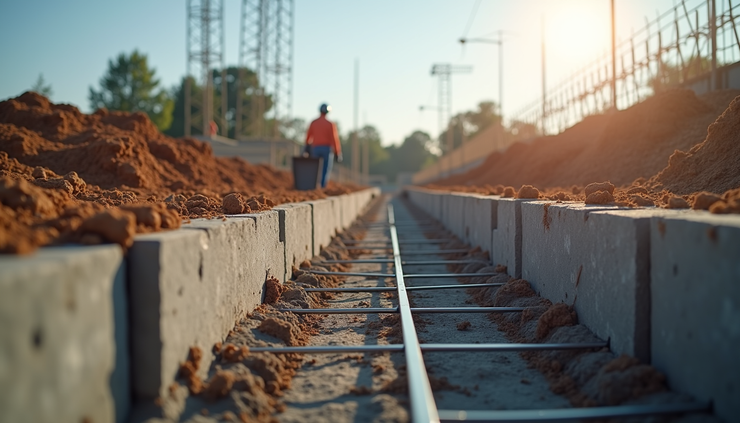
Construction workers dig trenches or pits, then place steel reinforcements to strengthen the concrete. After pouring concrete, it is left to cure and harden. This process can take several days but is crucial for the building’s durability.
Framing the Structure
With the foundation set, the next step is framing. This involves building the skeleton of the structure using wood or metal beams. The frame outlines the shape of the building and supports walls, floors, and the roof.
Framing requires precision to ensure walls are straight and level. Openings for doors and windows are also framed during this stage. Once complete, the frame is inspected to confirm it meets safety standards.
Installing Systems
After framing, essential systems are installed inside the building. This includes plumbing pipes, electrical wiring, and heating or cooling ducts. These systems are usually hidden within walls and ceilings, so careful planning is necessary to avoid conflicts.
For example, electricians and plumbers coordinate to ensure wires and pipes do not interfere with each other. Installing these systems early allows for easier access and adjustments before walls are closed up.
Exterior Work
The building’s exterior protects it from weather and gives it its appearance. This stage includes adding walls, windows, doors, and roofing materials. Common wall materials include brick, wood siding, or stucco.
Roofing involves placing shingles, tiles, or metal sheets to keep water out. Proper sealing and insulation are important to improve energy efficiency and comfort inside the building.
Interior Finishing
Once the exterior is secure, work moves inside. This phase covers drywall installation, painting, flooring, and fitting cabinets or fixtures. Interior finishing transforms the bare structure into a livable space.
Attention to detail is key here. For example, smooth walls and even paint create a polished look. Flooring choices like hardwood, tile, or carpet affect both style and function.
Final Inspection and Handover
Before the building can be used, it must pass inspections to ensure it meets safety and quality standards. Inspectors check electrical systems, plumbing, fire safety, and structural integrity.
After approval, the builder hands over the keys to the owner. At this point, any minor issues are addressed, and the building is ready for occupancy.


Comments